

Surgical
Wisdom Teeth Extractions
Wisdom teeth, also called third molars, are the last set of teeth to develop and typically erupt between ages 17 and 25.
Wisdom Teeth Extraction Explained
Wisdom teeth, also called third molars, are the last set of teeth to develop and typically erupt between ages 17 and 25. At Brookhaven Village Dentistry, wisdom teeth extraction is one of the most common procedures we perform. While not every wisdom tooth needs to be removed, the majority cause problems either when they erupt or because they do not have enough room to come in properly. Removing them at the right time prevents pain, infection, crowding of other teeth, and damage to surrounding bone and tissue.
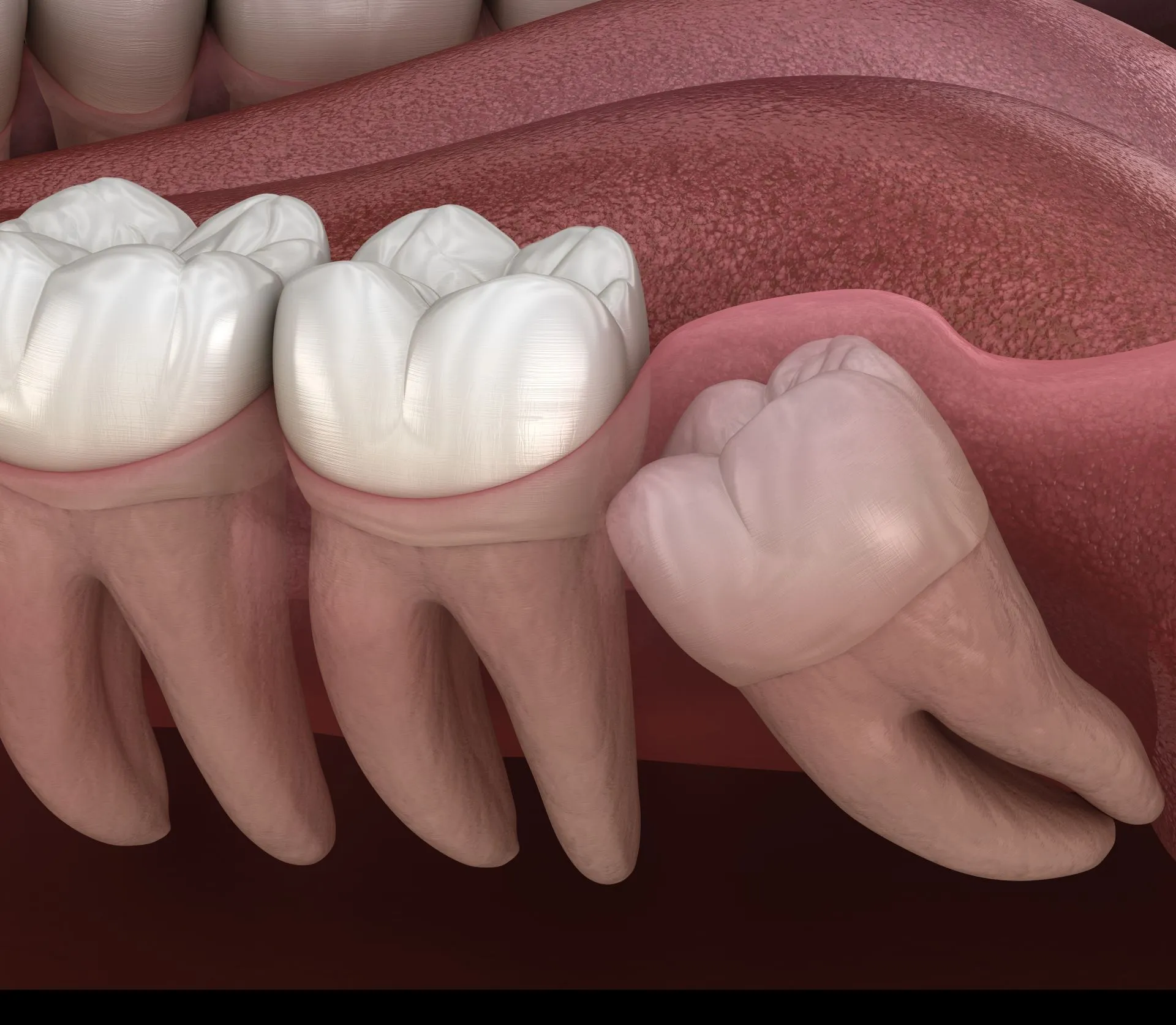
The need for wisdom teeth removal usually comes down to space. Modern human jaws are smaller than those of our ancestors, while wisdom teeth still try to erupt. This often means wisdom teeth do not have enough room and become impacted (stuck below the gum line) or partially erupted (pushing through but not fully). Impacted wisdom teeth can cause significant problems including pain, infection (a condition called pericoronitis), damage to the adjacent second molars, cyst formation, and crowding that can undo years of orthodontic work.
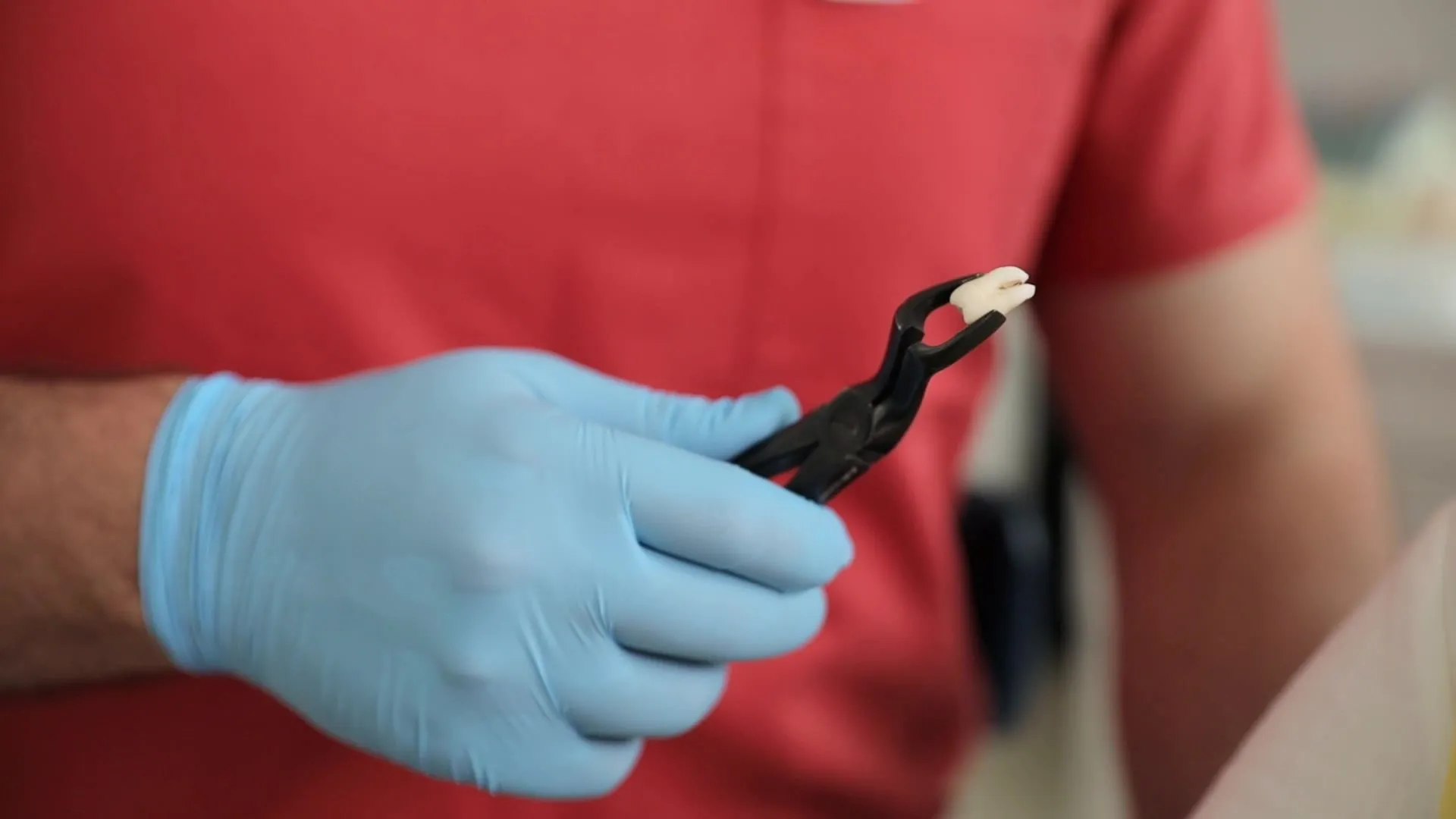
Wisdom teeth removal is a surgical procedure typically performed by a general dentist or oral surgeon. Simple cases involving fully erupted wisdom teeth can be done with local anesthesia alone. Impacted wisdom teeth, especially those requiring bone removal or sectioning of the tooth, are more complex and often performed under IV sedation or general anesthesia for patient comfort. We work with experienced oral surgeons for complex cases and perform routine extractions in our office when appropriate.
Wisdom Teeth Extraction Approach
Wisdom teeth are not always a problem, but when they are, addressing them at the right time saves a lot of trouble later. At Brookhaven Village Dentistry, we monitor wisdom teeth development through panoramic X-rays starting in the mid-teen years, watching for signs that removal will be needed. Early removal, before roots are fully formed, is typically easier with faster recovery than waiting until problems develop.
When extraction is needed, we explain exactly what is happening, what to expect, and what your sedation options are. For simple cases, we perform the extraction in our office. For more complex impacted wisdom teeth, we refer to oral surgeons we trust to ensure the best outcome. After extraction, we follow up to confirm proper healing and address any concerns that come up during recovery.

How Treatment Works
01
Evaluate
Panoramic X-rays show the position, root development, and impaction status of each wisdom tooth, allowing us to plan the optimal time and approach for extraction.
02
Plan
We discuss the procedure, sedation options, post-operative expectations, and what to plan for in recovery. Complex cases may be referred to an oral surgeon.
03
Extract
Under appropriate anesthesia, the wisdom teeth are removed through gentle surgical technique. Most cases take 30 to 90 minutes total for all four wisdom teeth.
04
Heal
Detailed post-operative instructions support proper healing, and we follow up within the first week to confirm everything is on track.
Common Questions
Wisdom Teeth Extraction FAQs
We believe informed patients make confident decisions. Below are some of the most common questions we receive about our practice and comprehensive care.
Let’s Get You Smiling!
Schedule your visit and see why so many neighbors trust our team. We can’t wait to meet you.